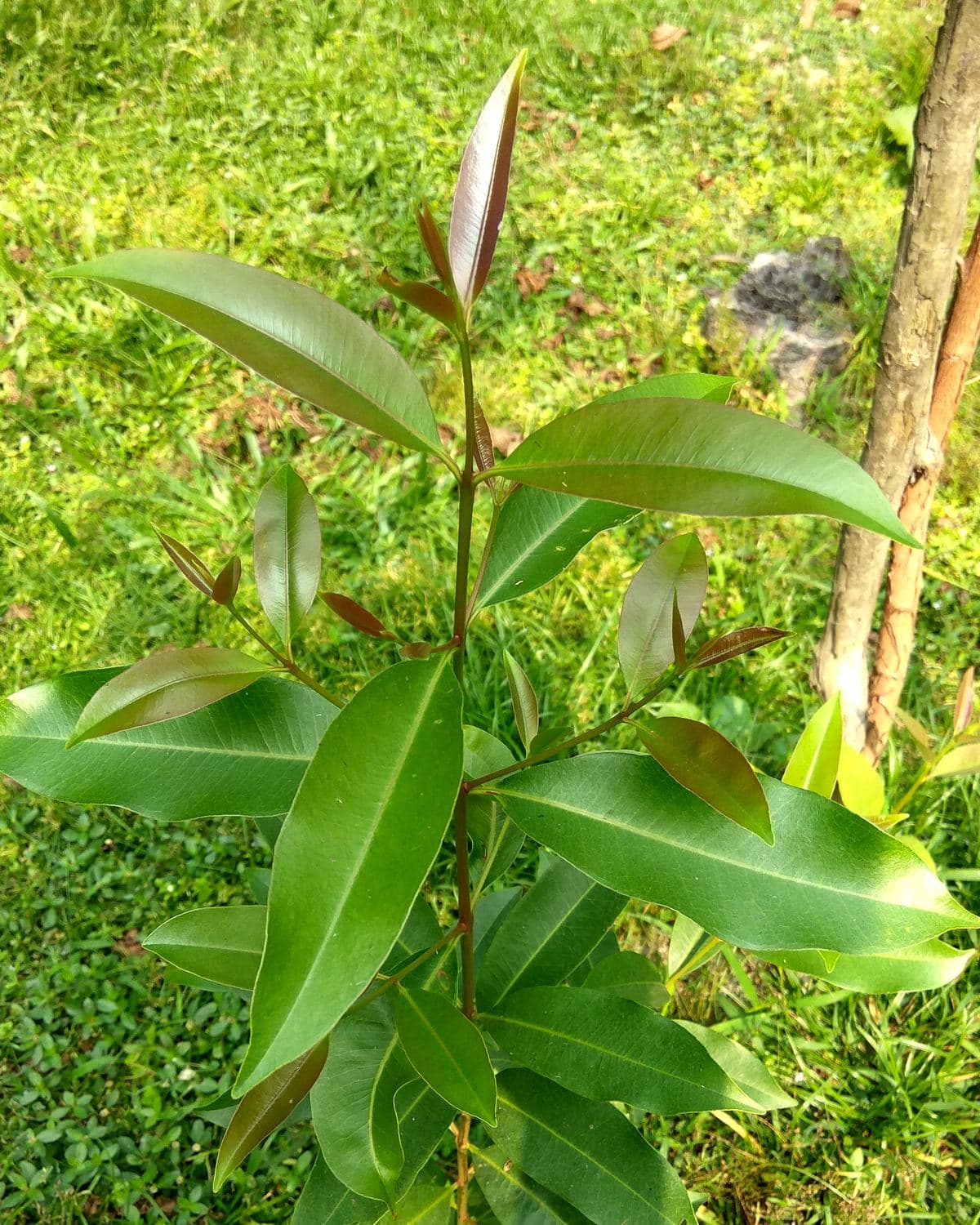
Punjab fruit-plant planting calendar
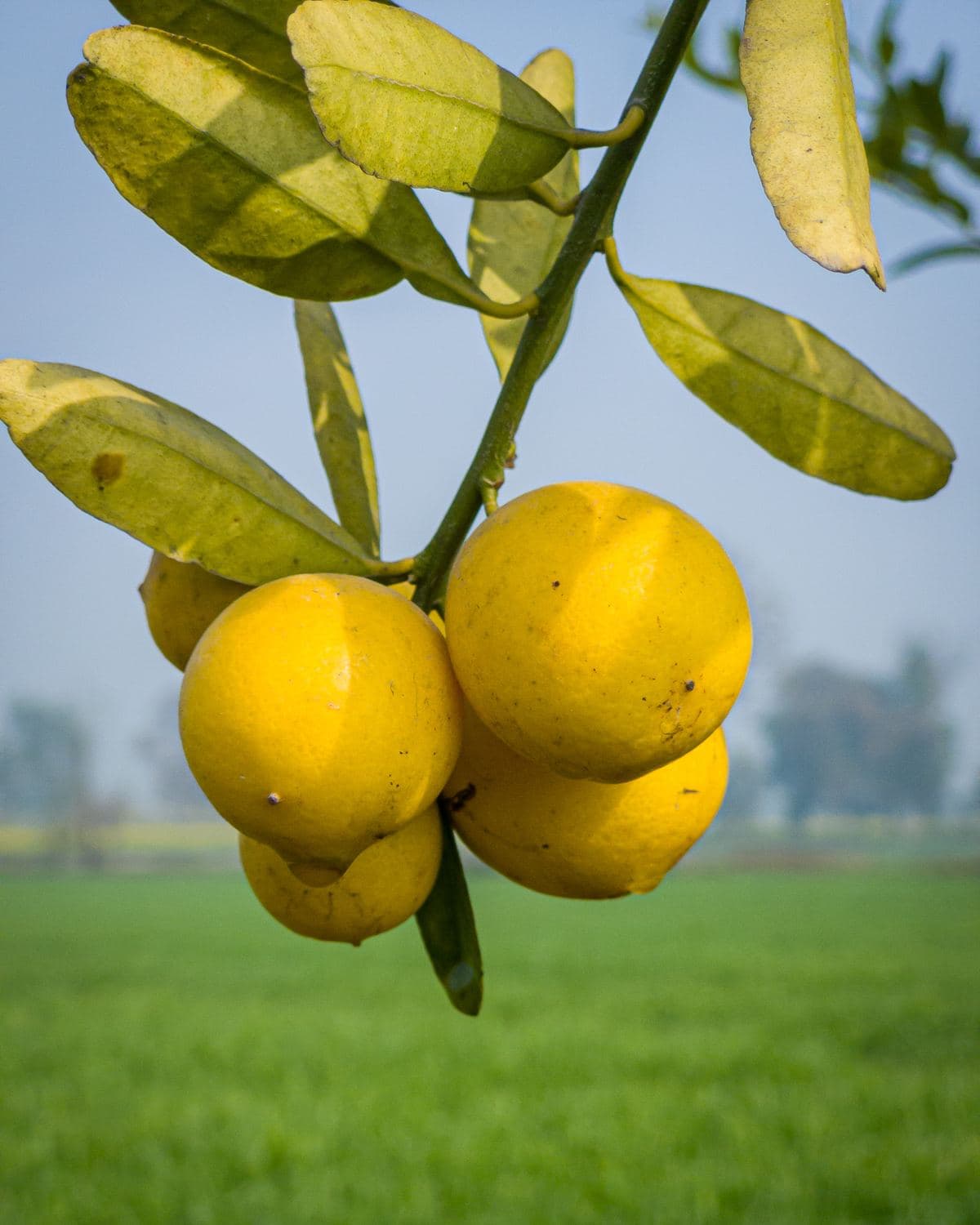
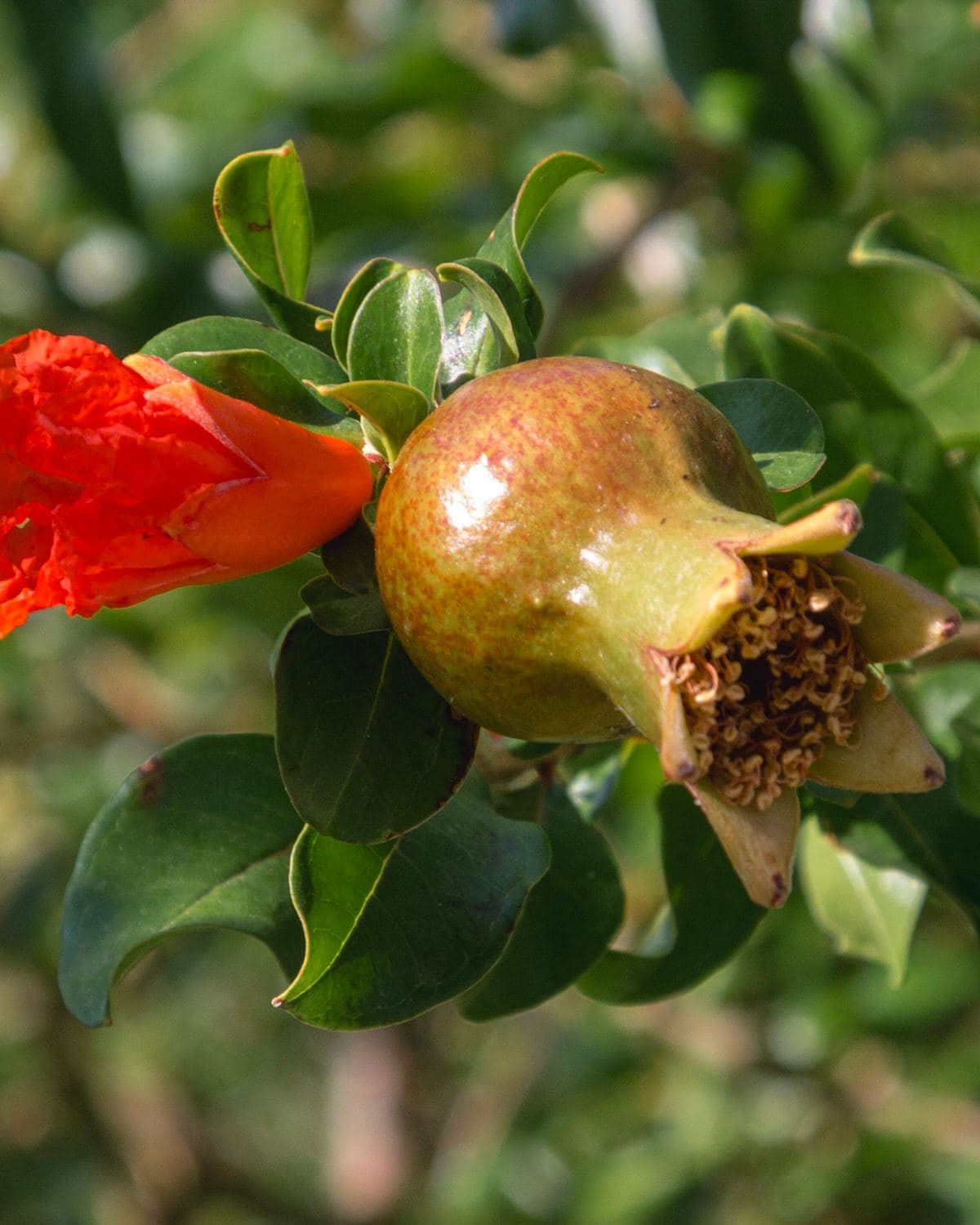
In Punjab, the two main windows for planting nursery fruit plants are February and September, per Punjab's Horticultural Research Institute schedule — February suits mango, citrus and lemon, guava, pomegranate, jamun, ber and mulberry, and September repeats most of the list except pomegranate.
پنجاب میں پھل دار پودے لگانے کے بہترین مہینے فروری اور ستمبر ہیں۔
If you want to plant fruit trees in Punjab, plan around two windows: February and September. Punjab's Horticultural Research Institute schedule lists both months for most locally important fruit plants — mango, citrus and lemon, guava, jamun, ber and mulberry — while pomegranate is listed for February. Planting inside these windows gives a young plant mild weather to establish roots before the next temperature extreme arrives.
Why February and September
A nursery plant moved into the ground needs weeks of moderate weather to recover from transplant shock. February planting lets roots establish before the summer heat builds; September planting uses the easing heat of early autumn before winter cold. Planting a young fruit tree into a June heatwave or a January cold snap asks it to survive its most stressful weeks in the year's most stressful weather.
Month-by-month planner
| Month | Fruit-plant action in Punjab |
|---|---|
| January | Plan and book plants; prepare pits and soil; not a main planting month. |
| February | Main planting window: mango, citrus/lemon, guava, pomegranate, jamun, ber, mulberry. |
| March | Late planting still possible early in the month; water new plants by soil check as heat builds. |
| April | Establishment care: mulch, morning watering checks, no heavy feeding of new plants. |
| May | Protect young plants from heat and hot wind; provide afternoon shade where possible. |
| June | Survival care only; do not plant. Check soil moisture frequently in the extreme heat. |
| July | Monsoon variability: ensure drainage; avoid waterlogged pits and pots. |
| August | Choose varieties and book September stock; prepare planting sites. |
| September | Second main window: mango, citrus/lemon, guava, jamun, ber, mulberry. |
| October | Late-window planting early in the month; steady establishment weather. |
| November | Water established young plants sparingly by soil check; growth slows. |
| December | Protect frost-sensitive young plants such as citrus on cold nights; minimal watering. |
Grafted plant or seedling?
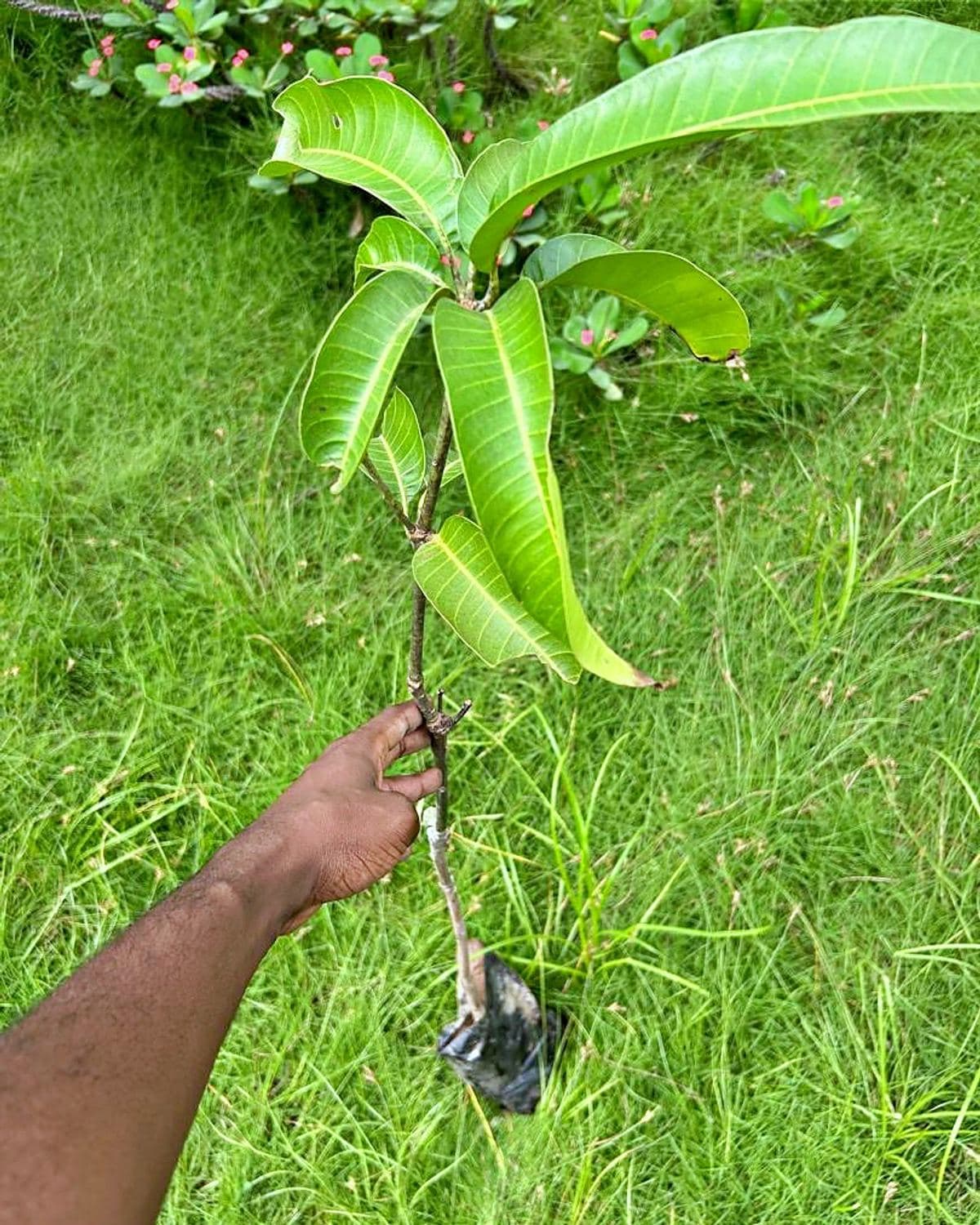
For mango, citrus and guava, a grafted plant is usually the better buy for a home garden: it carries a known variety and typically begins bearing years earlier than a seedling. A seedling is cheaper but is genetically unpredictable and slower to fruit. Whichever you choose, ask the nursery to state clearly whether the plant is grafted or a seedling, and which variety and rootstock it carries — a serious seller will tell you plainly.
Planting basics that apply to every window
- Dig the pit and prepare the soil a couple of weeks before planting, not on the day.
- Plant at the same depth the plant sat in its nursery bag; never bury the graft union.
- Water in well at planting, then water by checking the soil — young roots rot in permanently wet pits.
- Stake tall plants against wind for the first season.
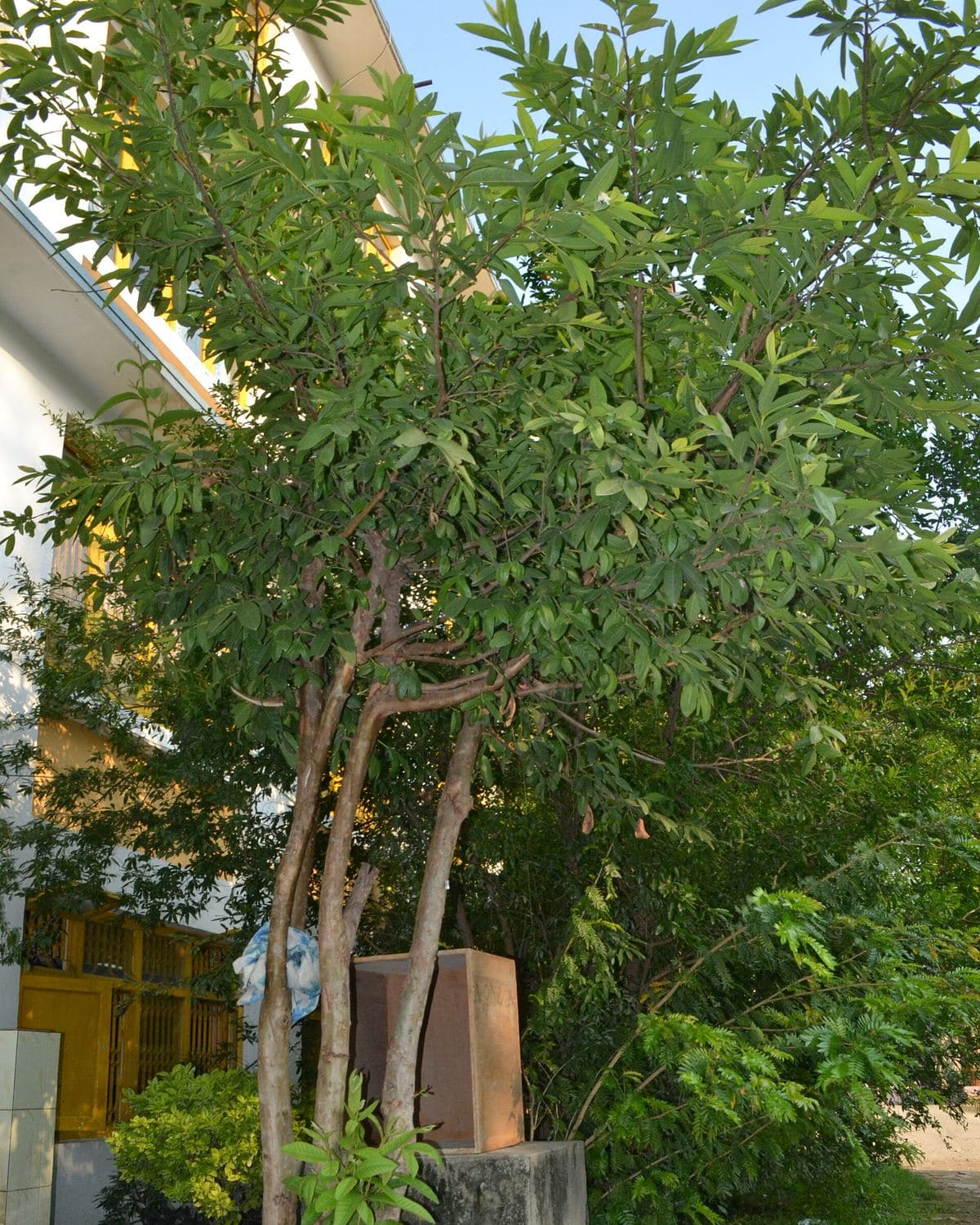
- Give each tree its real mature spacing; a jamun or mango becomes a large tree.
No calendar can guarantee that a particular plant will establish or fruit — weather, soil, water quality and care all matter, and seasons shift year to year. Treat these windows as strong general guidance, and confirm timing for your specific plant when you order.
We stock fruit plants around both windows. Message us on WhatsApp in January or August to reserve, and we will confirm variety, graft status, current size and the right planting time for your location around Samundri and Faisalabad.
Browse: Fruit Plants · Trees & Shade